
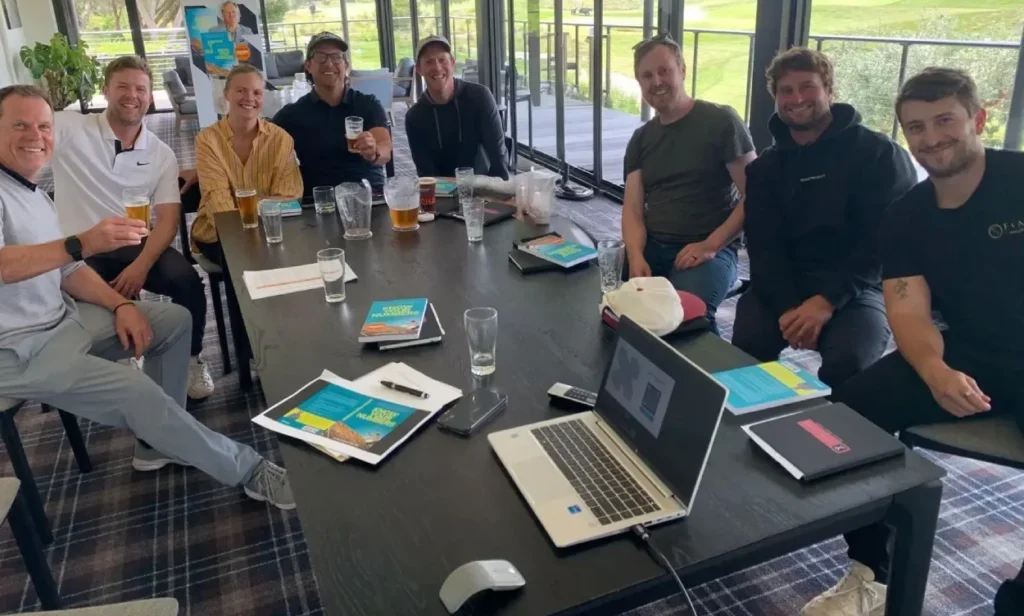
Every Australian business owner knows that your team’s culture directly impacts your bottom line. But creating a high-performance culture doesn’t require years of transformation. With the right approach, you can see meaningful change in just 90 days.
The reality is simple: teams with strong cultures outperform competitors, retain top talent, and drive sustainable growth. Many SME leaders find it challenging to shift from reactive management to purposeful culture building. If you’re ready to transform how your team collaborates, Y Coaching provides a clear, practical roadmap forward.
Why 90 Days Is the Sweet Spot
Three months gives you enough time to implement meaningful changes while maintaining momentum. It’s long enough to establish new habits but short enough to maintain focus and measure results. Research shows that 90-day cycles create accountability without overwhelming your team with endless initiatives.
This timeframe aligns with how high-performing organisations operate. They break ambitious goals into quarterly sprints, allowing for regular check-ins, adjustments, and wins along the way.
Week 1 to 4: Lay the Foundations
Your first month sets the tone for everything that follows. Start by defining what high performance actually means for your organisation. Is it about exceeding client expectations? Improving innovation? Boosting profitability?
Bring your team together for an honest conversation about expectations. Ask, “What does great work look like here?” and “How do we want to work together?” You can’t hold people accountable for performance standards they’ve never heard.
Next, establish clear, measurable goals. Keep it simple. Your team can only focus on two or three priorities at once. These goals should connect to your strategic vision and show each person how they contribute to the bigger picture.
Week 5 to 8: Build Psychological Safety
High-performance cultures thrive on psychological safety, which has two essential elements. First, people need to feel safe enough to express ideas, challenge assumptions, and take calculated risks. Second, there must be clear accountability so everyone understands the performance standards and values they’re working within.
Leaders must create space for diverse perspectives. Schedule regular one-on-one conversations with team members. Ask how they’re coping with deadlines, whether they feel satisfied in their roles, and if they’re achieving work-life balance.
Remember: people won’t deliver discretionary effort if they feel like a resource rather than a valued human being. When your team knows you care about them as individuals, they’ll consistently go the extra mile.
Week 9 to 12: Implement Performance Rituals
The final phase focuses on embedding new habits and measuring progress. Consider adopting a framework like the ADEP Model, which focuses on four essential elements: Achievement, Development, Enjoyment, and Partnering.
Achievement involves tracking your most important goals. Development means identifying what skills need strengthening. Enjoyment requires specific actions to maintain positive energy. Partnering focuses on strengthening key relationships.
Establish regular check-ins, ideally every week or fortnight. These aren’t traditional performance reviews but coaching conversations where leaders ask powerful questions and actively listen. Use tools like employee net promoter scores, team satisfaction surveys, and financial metrics to gauge progress.
The Role of Communication
Throughout all 90 days, communication remains your most powerful tool. High-performing teams communicate well with each other, close perception gaps quickly, and adapt to changing situations without losing momentum.
Practice assertive communication and active listening. When conflicts arise (and they will), address them early with respect and clarity. This prevents small issues from becoming cultural roadblocks.
Making It Stick
Building high-performance culture isn’t a one-time project. After your initial 90 days, continue the cycle. Review what worked, celebrate wins, and identify areas for improvement. Many successful Australian businesses use these quarterly sprints as their ongoing leadership rhythm.
The key is consistency. Small behaviour shifts create long-term changes in morale, retention, and results. Your role as a leader is to model the culture you want to see, hold people accountable with kindness, and keep the team focused on shared goals.
High-performance culture is contagious! When people work in positive environments where they can grow and contribute meaningfully, that energy spreads throughout the entire organisation.
Your Next Steps
Changing your team culture in 90 days is absolutely achievable with the right guidance and frameworks. The question isn’t whether you have time, it’s whether you can afford to wait any longer.
At Y Coaching, we specialise in helping Australian SME leaders build the systems, strategies, and cultures that drive sustainable growth. Our tailored coaching programs cover leadership development, team performance, and strategic planning designed specifically for businesses ready to level up.
Whether you’re struggling with team accountability, unclear goals, or simply know your culture could be stronger, we can help you create a workplace where people thrive and business results follow.
Ready to build a high-performance culture that lasts? Contact Y Coaching today to discover how our proven frameworks can transform your team in the next 90 days. Let’s turn your leadership vision into reality.
FAQs
✓ Why do SME leaders struggle to build an intentional team culture?
Many leaders are caught in day-to-day firefighting, leaving little time for strategic culture building. Without clear frameworks and accountability, culture often evolves by default rather than design.
✓ How does leadership coaching help shift from reactive to intentional management?
Leadership coaching helps leaders step back, clarify priorities, and develop consistent behaviours that shape culture. It creates space for reflection, better decision-making, and purposeful action.
✓ What results can businesses expect from culture-focused coaching?
Businesses often see stronger collaboration, clearer communication, improved accountability, and higher employee engagement, laying the foundation for sustainable growth.

Conrad Morgan is a qualified MBA, GAICD, and seasoned Non-Executive Director with a track record of helping businesses grow. His business coaching blends structured frameworks with deep understanding, ensuring every session delivers value. That’s why he’s considered one of the best business coaches in Melbourne.