

Running a small business in Melbourne has never been straightforward, but 2026 brings a unique set of pressures that demand more than just hard work. The conversations I have with business owners across Victoria reveal a common thread: it’s not one big problem that’s causing sleepless nights, it’s the accumulation of several persistent challenges hitting all at once.
If you’re feeling the strain, you’re not alone. Understanding these challenges is the first step towards building strategies that protect your profitability and position your business for sustainable growth.
1. Rising Operating Costs Continue to Squeeze Margins
Inflation may have stabilised, but the damage to small business budgets remains. Energy bills, insurance premiums, supplier costs, and wage pressures continue climbing, forcing Melbourne business owners to make difficult decisions about what to cut and where to invest.
The challenge isn’t just about paying more, it’s about maintaining margins whilst staying competitive. Many business owners I work with discover they’re absorbing cost increases rather than passing them on, slowly eroding profitability without realising it.
What you can do:
Review your pricing strategy regularly. If you haven’t adjusted prices in the past 12 months, you’re likely leaving money on the table or working harder for less return.
Renegotiate supplier contracts, especially if you’ve been loyal for years. Most suppliers would rather negotiate than lose a good customer. Identify margin leaks through a profitability review. Sometimes it’s not the big expenses that hurt, it’s the accumulation of small inefficiencies nobody’s questioned.
Consider where technology or smarter systems can reduce ongoing costs without compromising quality. The businesses thriving in this environment aren’t necessarily the biggest, they’re the ones who understand their numbers and make strategic adjustments before problems become crises.
2. The Talent War: Finding and Keeping Good People
Melbourne’s labour market remains fiercely competitive in 2026. Whether you’re searching for skilled trades, admin support, or tech talent, quality candidates are scarce and expensive. But the real challenge goes beyond recruitment.
I see business owners winning the hiring battle only to lose through the revolving door of turnover. Today’s employees want more than just a pay cheque. They’re seeking flexibility, career development, and workplace culture that aligns with their values. Businesses stuck in traditional employment models find themselves constantly training replacements.
Practical approaches:
Introduce flexible working arrangements where feasible. Rigid structures are costing you talent you can’t afford to lose. Focus on retention through regular check-ins, development opportunities, and genuine recognition. It sounds soft, but the financial impact of high turnover is brutally hard.
Consider upskilling existing staff before looking externally. Your current team already understands your business, your customers, and your culture. Building their capabilities is often faster and more effective than starting from scratch with someone new.
Look at which repetitive tasks are consuming your team’s energy and find automation options. Freeing people to do work that actually requires human judgement improves both satisfaction and productivity.

3. Compliance and Regulatory Changes Add Administrative Burden
If it feels like compliance requirements multiply every year, that’s because they do. From superannuation increases to Single Touch Payroll updates and workplace relations reforms, staying compliant consumes more time and resources than ever.
Victorian business owners face particular pressure around workplace compliance and industrial relations. What frustrates many is not just the requirements themselves, but the constant changes and the administrative drain they create when you’re trying to actually run your business.
How to stay ahead:
Schedule quarterly compliance reviews rather than scrambling when deadlines loom. Use cloud-based payroll and accounting software that updates automatically with legislative changes, so you’re not relying on memory or manual tracking.
Subscribe to Fair Work and ATO bulletins so changes don’t ambush you. Consider engaging a business adviser or bookkeeper who can translate complex regulations into practical action steps. Compliance isn’t exciting, but treating it as a strategic priority rather than an administrative nuisance protects your business from costly mistakes that genuinely hurt.
4. Cybersecurity Threats Are Growing
Small businesses are increasingly targeted by cybercriminals who recognise they often lack the sophisticated defences of larger organisations. A breach doesn’t just mean recovering data, it means explaining to customers why their information was compromised, dealing with potential legal issues, and rebuilding trust.
For Melbourne businesses managing customer data or payment systems, the risk is real and growing. Yet many business owners still operate with basic password protection and hope, which isn’t a strategy.
Essential protections:
Implement multi-factor authentication across all business systems. It’s mildly annoying and remarkably effective. Train your team to recognise phishing attempts, because the weakest link in your security is usually human error, not technology.
Use reputable cloud platforms with automatic backups and consider cyber insurance as part of your risk management approach. Work with IT professionals to conduct a basic security assessment. Cybersecurity doesn’t require a massive budget, but it does require attention and consistency.
5. Economic Uncertainty and Cautious Consumer Spending
Consumer confidence remains fragile in 2026. High living costs are changing buying behaviours, particularly in discretionary sectors. Melbourne business owners are seeing longer sales cycles, more price objections, and customers delaying decisions that would have been straightforward 18 months ago.
This uncertainty makes forecasting difficult and increases pressure to demonstrate clear value rather than competing solely on price.
Strategies for moving through uncertainty:
Focus on your core offerings and communicate value clearly. When budgets tighten, customers want confidence they’re making the right choice. Strengthen customer relationships through genuine engagement. The businesses maintaining revenue aren’t necessarily offering the cheapest option, they’re the ones customers trust.
Diversify your revenue streams where sensible to reduce reliance on a single source. Monitor cash flow closely and build financial buffers during good months. Develop scenario-based budgets so you’re prepared for different outcomes rather than hoping for the best.
The businesses succeeding through uncertainty maintain close connections with customers and stay agile in their approach.
Moving Forward with Confidence
The challenges Melbourne small business owners face in 2026 are real, but they’re not insurmountable. Success comes from understanding the situation, making informed decisions, and having the right support systems in place.
Whether you’re dealing with rising costs, staffing pressures, or strategic uncertainty, working with an experienced business coach provides the clarity and practical guidance you need to work through complexity confidently.
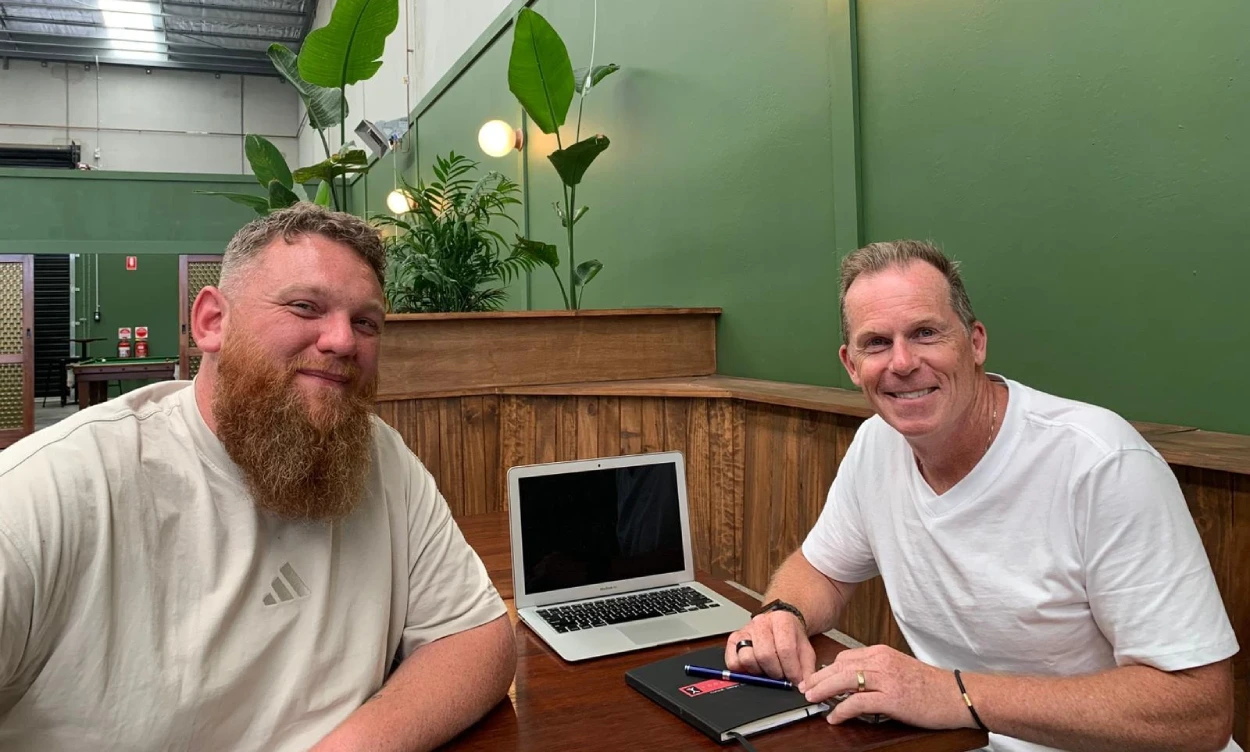
At Y Coaching, our business coaching expert in Melbourne, Conrad Morgan, specialise in helping SME owners gain clarity, boost profitability, and build businesses that run smoothly. With personalised advice covering strategy, culture, planning, and growth, we guide you through challenges whilst keeping your focus on what truly matters.
Ready to tackle 2026’s challenges with confidence? Book a consultation with Y Coaching to discuss how strategic coaching can transform your business outcomes.

Conrad Morgan is a qualified MBA, GAICD, and seasoned Non-Executive Director with a track record of helping businesses grow. His business coaching blends structured frameworks with deep understanding, ensuring every session delivers value. That’s why he’s considered one of the best business coaches in Melbourne.